Making nerd friends should be easy in theory. There are millions of people who love games, fantasy, science fiction, anime, coding, comics, tabletop RPGs, and deep niche conversations. But knowing those people exist is not the same as knowing how to meet them.
The mistake most people make is looking for instant best friends. A better strategy is to look for repeated exposure around a shared interest. Nerd friendships grow well when there is something to do together: a campaign, a match, a build, a watch party, a book, a convention, or a weekly event.
This guide shows you how to find those spaces, start conversations without forcing it, and turn casual hobby contact into actual friendship. If the first conversation is the scary part, pair this with how to have better conversations.
Start with the Interest, Not the Person
The easiest friendships begin with a shared context. Instead of walking up to a stranger and trying to be interesting, you both interact with the same thing: a board game, a D&D session, a programming language, a fandom, a tournament, or a club.
That shared context gives you built-in conversation starters. You can ask what they are playing, how long they have been into it, what they recommend for beginners, what they thought of the latest release, or how they built their character or deck.
This is why hobby spaces are so useful for analytical and introverted people. You do not have to manufacture social energy from nothing. The activity carries some of the weight.
A good nerd-friend space has three traits: people return regularly, the activity gives you something to talk about, and beginners are treated with patience.
Best Offline Places to Find Nerd Friends
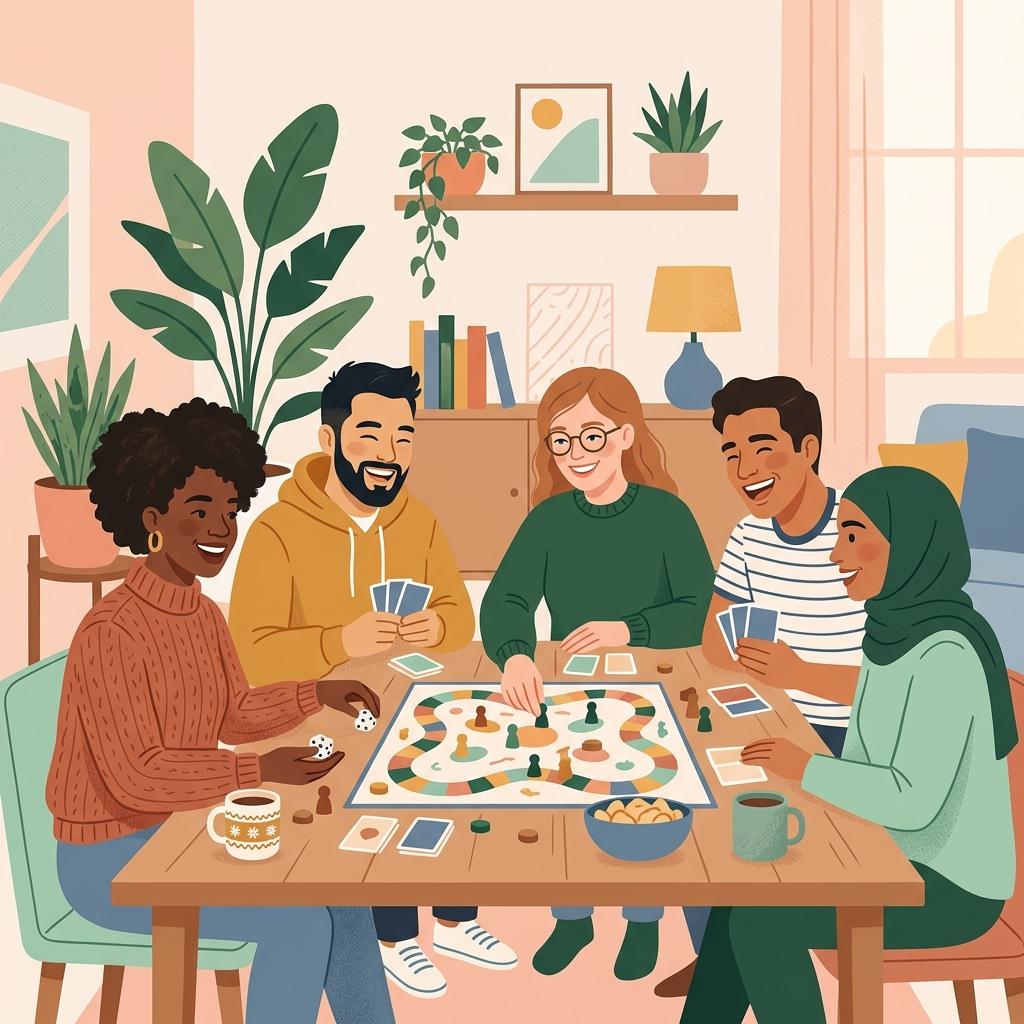
Offline friendships usually form faster because you get tone, facial expression, and repeated physical presence. Look for local game stores, board game cafes, D&D Adventurers League tables, Magic: The Gathering events, comic shops, makerspaces, library clubs, university clubs, coding meetups, anime screenings, and conventions.
The key is recurrence. A one-day convention can be fun, but a weekly board game night is better for friendship because people start recognizing you. Recognition lowers the pressure. By the third or fourth visit, a simple hello feels natural.
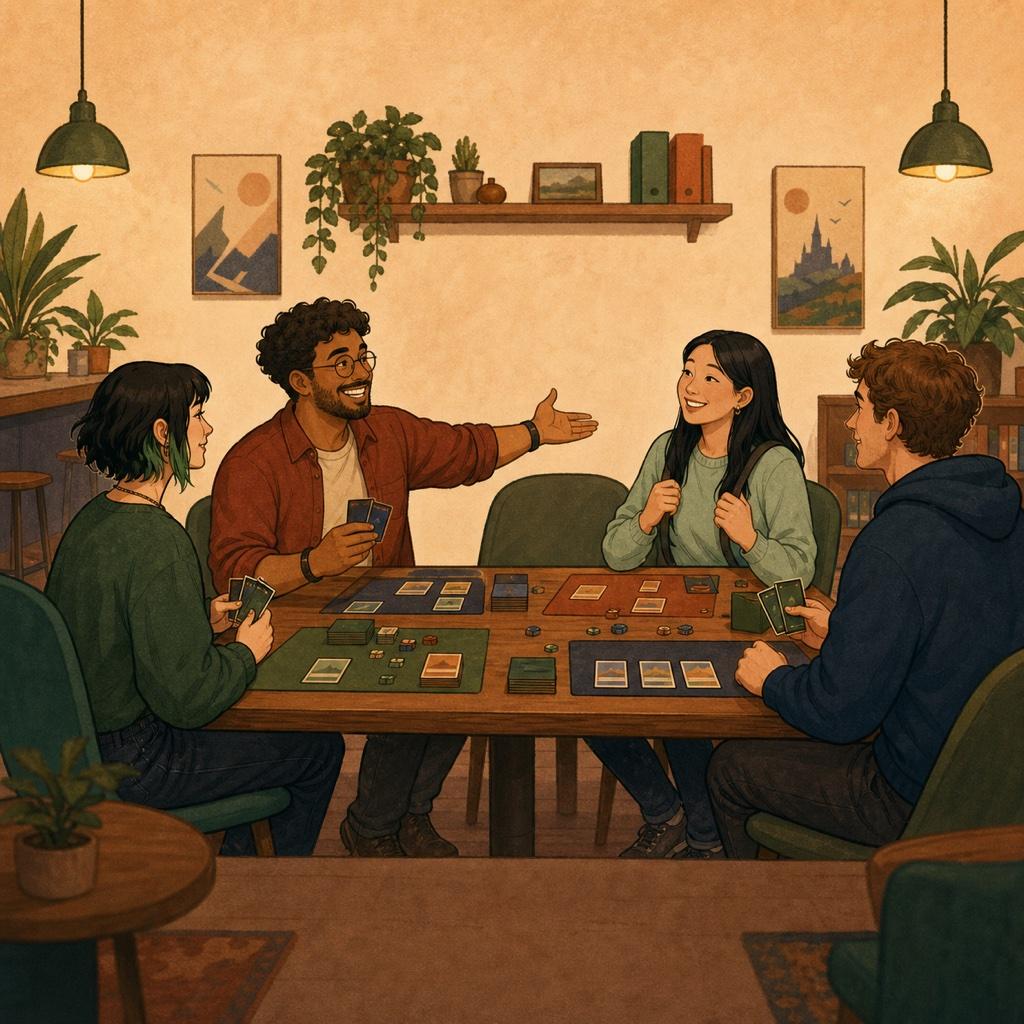
If you are nervous, choose structured events first. A beginner D&D table or game-store event has rules, turn-taking, and a clear reason to be there. That structure protects you from the worst kind of awkward small talk.
Best Online Places to Find Nerd Friends
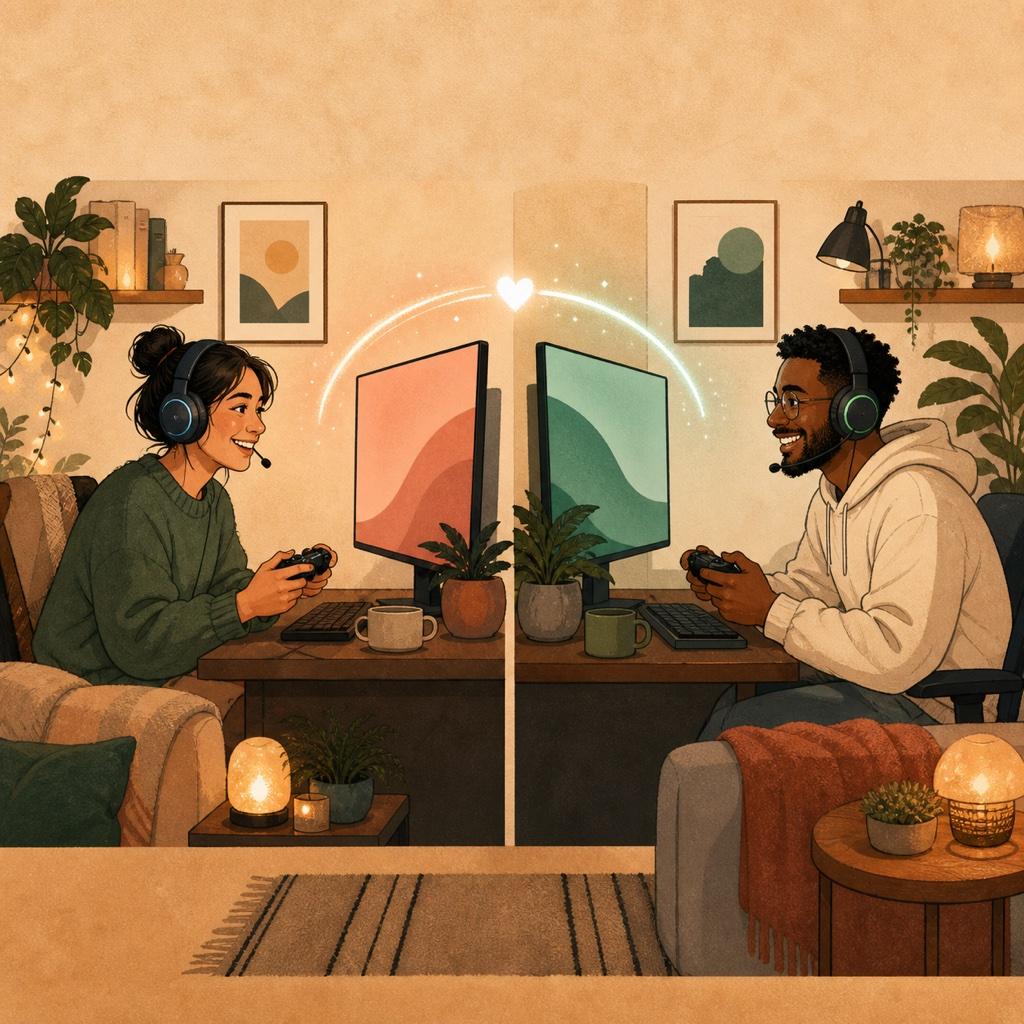
Online spaces work best when they are small enough for people to remember each other. Huge comment sections are entertaining, but they rarely become friendships. Smaller Discord servers, guilds, subcommunities, modding groups, coding communities, writing groups, and co-op game groups are better.
Do not start by asking, 'Does anyone want to be friends?' That puts too much pressure on strangers. Start by participating. Answer a question. Ask for advice. Share a small win. Join a scheduled event. Be a recognizable, pleasant presence.
Once you have had a few positive interactions with the same person, move one level deeper: invite them to queue for a game, join voice chat, trade recommendations, or collaborate on something small. Online friendship grows through shared activity just like offline friendship does.
Low-pressure online opener: 'I saw your comment about starting Final Fantasy XIV. I am also new. Want to run a beginner dungeon sometime this week?'
Use the Three-Visit Rule
The first time you enter a new group, your brain will probably tell you that everyone already knows each other and you do not belong. That feeling is normal, but it is also unreliable.
Use the three-visit rule: do not judge a group until you have attended at least three times. Visit one is orientation. Visit two is recognition. Visit three is when people may start treating you as a returning person instead of a random newcomer.
If the group is still cold, cliquish, or uncomfortable after three real attempts, move on. But do not quit after one awkward evening. Most good communities feel slightly weird at first because you are still outside the pattern. If you never know what to say on visit one, our conversation starters for meetups and conventions cover exactly that moment.
Turn Group Familiarity Into Friendship
Being in the same group is not the same as being friends. At some point, you need a small bridge from group contact to personal contact.
The bridge should be specific and low-pressure: 'A few of us are grabbing food after the game. Want to come?' or 'You mentioned that series last week. I started it and had thoughts.' or 'Want to team up for the next event?'
Small invitations are better than intense ones. You are not asking someone to become your new best friend. You are creating one more chance to interact. For a deeper framework, read how to invite people to hang out.
Your Action Step
Pick one recurring nerd-friendly space this week. One. Not ten. A local game night, a Discord server with scheduled events, a D&D table, a Magic night, a coding meetup, or a club.
Commit to showing up three times before you decide whether it works. Your job is not to impress everyone. Your job is to become familiar, ask a few genuine questions, and create one small follow-up when the vibe is good.
Frequently Asked Questions
Where can I make nerd friends?
Start with recurring spaces built around your interests: board game nights, D&D tables, Magic events, coding meetups, anime clubs, gaming Discords, book clubs, conventions, maker spaces, and local hobby stores. Recurring groups work better than one-off events because people need repeated contact before friendship feels natural.
How do I make nerd friends online?
Join a smaller community where people recognize each other over time, then participate consistently. Reply thoughtfully, ask follow-up questions, join voice chat when it feels comfortable, and eventually suggest a low-pressure shared activity like a co-op game, watch party, or project session.
How do I make nerd friends if I am socially awkward?
Use the shared activity as the conversation structure. You do not need to be instantly charming. Ask about the game, the event, the character build, the project, or the thing you both came there for. Then show up again. Familiarity does a lot of the social work for you.
How do I turn a nerd group into real friends?
After a few good interactions, suggest one small next step: food after the event, a short online game session, sharing a resource, or meeting at the next event. Friendships usually grow through small repeat invitations, not one dramatic bonding moment.
Sources
Your next real-world rep
Ask to join an open group conversation
At a meetup or another welcoming social setting, ask to join an open conversation. Respect a no, a private discussion, or a group that does not make room.
Try this challenge →