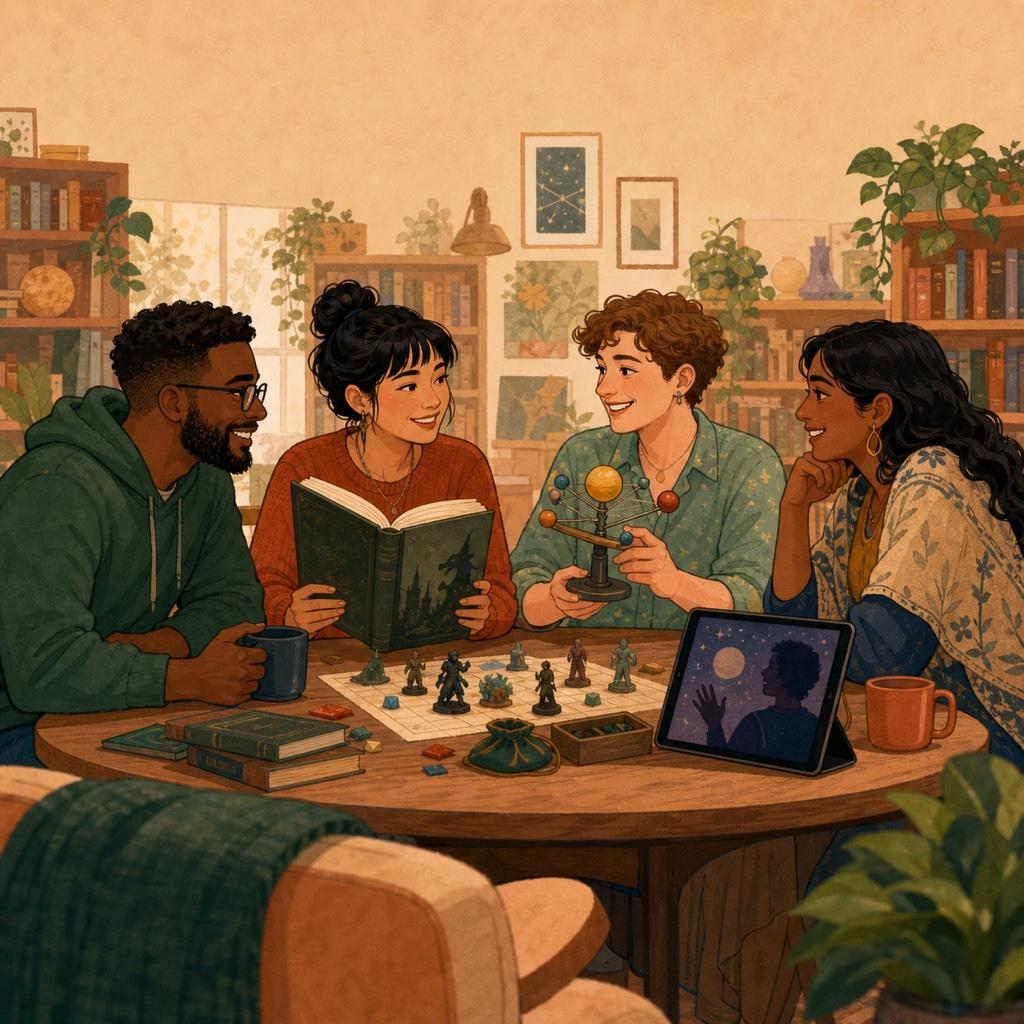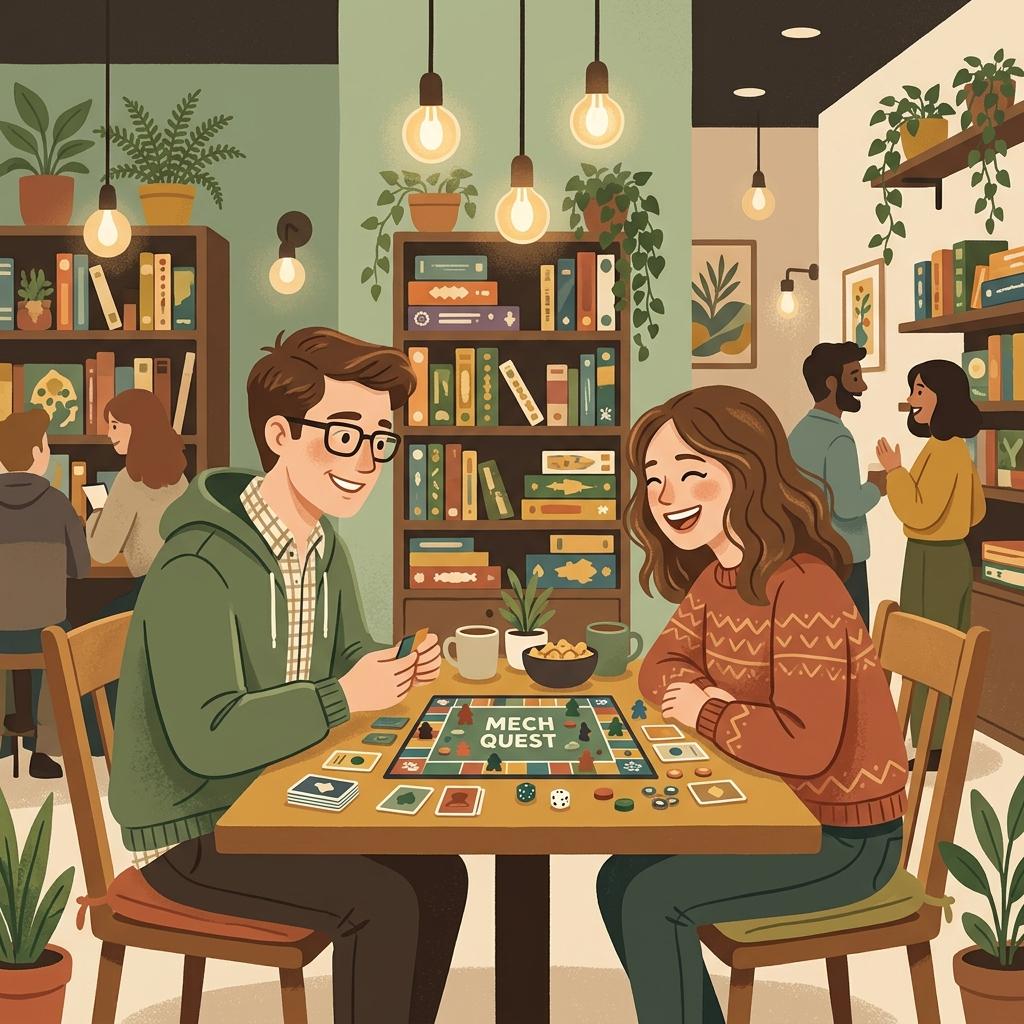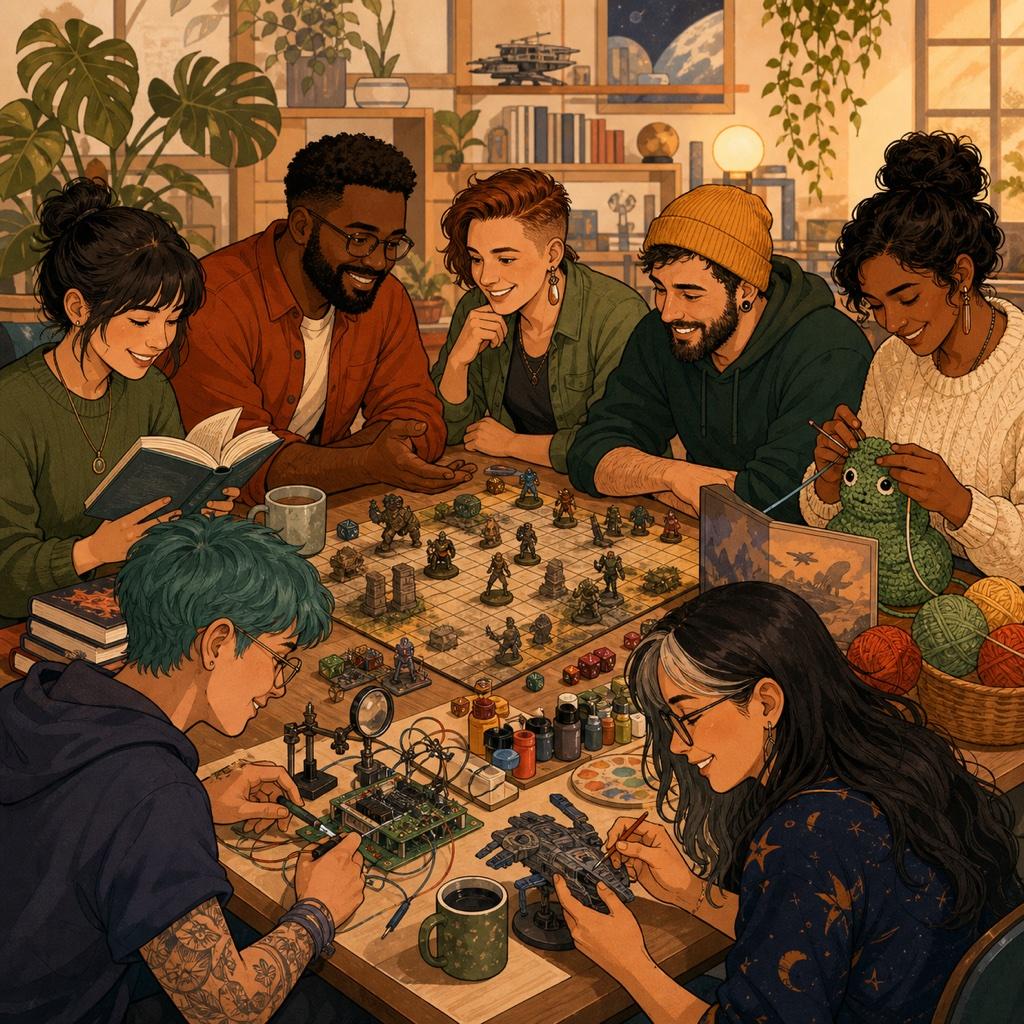
Nerd culture is not just a list of hobbies. It is a way people gather around deep interest. It is the joy of caring a lot about something specific, learning its details, sharing references, debating theories, building things, collecting things, and finding others who light up for the same reasons.
That can include Dungeons & Dragons, Magic: The Gathering, anime, comics, video games, programming, science fiction, fantasy, board games, mechanical keyboards, model painting, cosplay, worldbuilding, math, robotics, or any number of niche interests.
The exact hobbies change. The pattern stays the same: curiosity, intensity, shared language, and community.
A Simple Definition
Nerd culture is the network of communities built around deep enthusiasm for niche, imaginative, technical, or intellectual interests.
The word 'nerd' used to be mostly an insult. Today, many people use it as a badge of identity because it names something valuable: the willingness to care deeply, learn obsessively, and enjoy complexity.
That is why nerd culture can feel so powerful. It gives people permission to stop pretending they are only casually interested. You are allowed to love the lore, optimize the build, collect the cards, write the fan theory, or spend three hours comparing systems.
Why Nerd Culture Creates Strong Bonds
Nerd culture creates friendship because it gives people shared language. If you have ever bonded with someone over a favorite game, a character arc, a deck strategy, a programming problem, or a fantasy world, you know how fast that recognition can happen.
Shared niche interests reduce the pressure of small talk. Instead of asking generic questions, you can ask specific ones: What class are you playing? Which starter deck did you use? What did you think of the finale? What are you building?
For analytical or introverted people, this is a gift. You can connect through substance instead of performance. The topic gives both people something real to hold onto.
The Best Side of Nerd Culture
At its best, nerd culture is creative, welcoming, playful, and deeply sincere. It celebrates imagination. It rewards learning. It lets adults play. It gives people who felt out of place elsewhere a place to be understood.
A great table, guild, fandom, or club can become a social home. People collaborate, teach each other, share recommendations, make art, build tools, run campaigns, organize events, and create shared memories.
This is the side of nerd culture worth protecting: the part that says your enthusiasm is not embarrassing. It is a bridge.
The Harder Side: Gatekeeping
Nerd culture also has a shadow side: gatekeeping. That happens when people use knowledge as a weapon instead of an invitation. They quiz newcomers, mock casual fans, correct people harshly, or act as if there is only one valid way to enjoy the hobby.
Gatekeeping often seems to come from insecurity — the same engine behind most bragging. When someone was once mocked for loving something, they may become protective of it. But protecting a hobby by making newcomers feel stupid only makes the community smaller and colder.
The healthier move is generosity. Explain without condescending. Share context without lecturing. Let people enjoy the surface before demanding they master the depths.
If someone is curious about your hobby, treat that curiosity as precious. Do not make them pass an exam before they are allowed to enjoy it.
How to Find Your People
Do not search for 'nerd culture' in general. Search for the specific doorway that fits you: D&D groups, Commander nights, anime clubs, coding meetups, indie game Discords, sci-fi book clubs, board game cafes, cosplay workshops, local conventions, or maker spaces.
Specificity helps because it gives you an immediate reason to be there. You are not trying to make friends from thin air. You are doing the thing you already like near people who also like it.
Once you find a space, use consistency. Show up several times. Learn names. Ask what people are working on, playing, watching, or reading. Then create small follow-ups when there is warmth. For a practical plan, read how to make nerd friends online and offline.
How to Participate Without Hiding
You do not need to apologize for being enthusiastic. You also do not need to overwhelm everyone with every detail at once.
A good rule is enthusiasm plus translation. Share what you love, then make it relatable: 'It is like a strategy puzzle with a story attached' or 'I like it because the worldbuilding is absurdly detailed.'
That way, you are not hiding your interest, but you are also not trapping someone in jargon. You are inviting them into the feeling of it.
The best nerd-culture communicators are not the people who know the most. They are the people who make others feel welcome to care too.
Your Action Step
Write down three interests you genuinely care about, then find one recurring community for each: one online, one local, and one event-based. You only need to try one this week.
The goal is not to become a stereotype. The goal is to stop treating your interests as liabilities and start using them as bridges to people who can actually understand you.
Frequently Asked Questions
What does nerd culture mean?
Nerd culture refers to communities, media, hobbies, and social spaces built around deep enthusiasm for niche or intellectual interests. It often includes gaming, comics, fantasy, sci-fi, anime, tabletop RPGs, technology, coding, collecting, and fandom.
Is nerd culture mainstream now?
Many parts of nerd culture are mainstream now, especially superheroes, gaming, anime, fantasy series, and tabletop games. But the deeper pattern is the same: people bonding through intense curiosity, shared references, and love for detailed worlds or systems.
How do I find people in nerd culture?
Start with recurring spaces around your specific interest: local game stores, Discord servers, conventions, clubs, online communities, meetups, maker spaces, and hobby events. Specific interests work better than the broad label 'nerd.'
How do I talk about nerdy interests without gatekeeping?
Focus on what makes the interest fun, not on proving expertise. Explain the emotional hook, ask what the other person likes, and welcome beginners. Healthy nerd culture is enthusiastic and generous, not defensive and exclusionary.
Sources
Your next real-world rep
Ask to join an open group conversation
At a meetup or another welcoming social setting, ask to join an open conversation. Respect a no, a private discussion, or a group that does not make room.
Try this challenge →